

What You Need to Know
Workforce Readiness will Determine the Future of the Semiconductor Industry
Demand for advanced semiconductors is rising across AI, automotive, communications, and defense. As manufacturing expands and global competition increases, so does the need for skilled technicians, engineers, and computer scientists.
The 2025 State of the U.S. Semiconductor Industry Report(Opens in a new tab/window) outlines industry growth, workforce demand, and investment trends, while highlighting projected talent shortages that could limit future progress.
For workforce leaders, educators, manufacturers, and policymakers, the message is clear: sustained investment in training and industry-aligned workforce development is essential to maintaining U.S. competitiveness and long-term stability.
America Leads the Global Market
U.S. semiconductor firms account for half of global chip revenue, maintaining long standing sales leadership worldwide.
Record Breaking Global Demand
Global semiconductor sales surpassed six hundred billion dollars for the first time, reflecting strong year over year growth.
A Growing Technical Talent Shortage
The U.S. semiconductor industry is projected to face a substantial workforce gap by the end of the decade.
These insights are drawn from the 2025 State of the U.S. Semiconductor Industry Report(Opens in a new tab/window), published by the Semiconductor Industry Association. The report provides detailed data on industry growth, workforce demand, supply chain investment, and global competitiveness.
Explore More Industry News
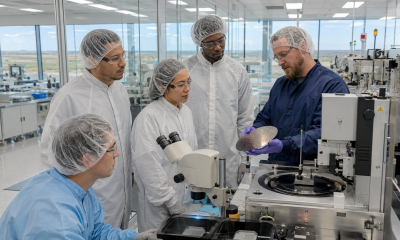
Texas Terafab Plan Puts Workforce Development on the Critical Path
The planned semiconductor campus could create thousands of jobs, but building a regional skills pipeline will be essential to turning investment into production capacity.
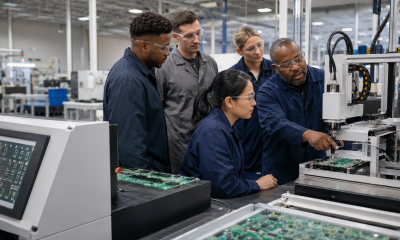
Detroit Manufacturing Academy Builds a Practical Path to Smarter Production
Apple’s collaboration with Michigan State University gives small and midsize manufacturers hands-on support in automation, quality, process improvement, and other advanced production skills.

TSMC’s New U.S. Investment Raises the Stakes for Semiconductor Workforce Planning
The company’s latest U.S. expansion plan points to a broader shift from single-facility hiring needs to long-term talent pipelines for advanced electronics manufacturing.
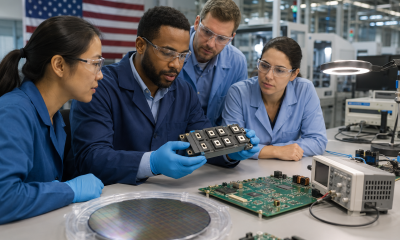
CHIPS Award Puts Silicon Carbide Power Electronics in the Workforce Spotlight
A new $250 million federal R&D award to I-Pulse points to growing demand for advanced semiconductor skills tied to power electronics, harsh-environment systems, and specialized U.S. manufacturing.The U.S.
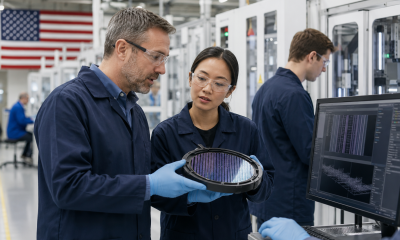
Coherent Expansion in Texas Highlights the Workforce Behind AI Manufacturing
The U.S. Department of Commerce’s CHIPS Program Office announced a letter of intent with Coherent Corp. for up to $50 million in direct funding to expand indium phosphide semiconductor production in Sherman, Texas.
The State of the U.S. Semiconductor Industry in 2025: Growth, Investment, and the Workforce Challenge
The semiconductor industry continues to expand at a historic pace, reinforcing its role as foundational infrastructure for the modern economy.

The Rise of AI in Electronics Manufacturing: How to Keep Up With the Advancements in AI
The electronics manufacturing sector is undergoing a profound transformation, driven by the rapid advancement of artificial intelligence (AI).

Building the Workforce of the Future: How RoboticsCareer.org is Transforming U.S. Manufacturing Talent
The U.S. is facing a historic skills gap - pending retirements combined with a lack of trained new workers in the pipeline could leave millions of manufacturing jobs unfilled in the coming years. This presents a significant threat to our nation’s security and resiliency.
Have a Report to Share?
If your organization has published research relevant to electronics manufacturing workforce development, we welcome collaboration.
EMAC prioritizes research that supports long-term workforce stability, measurable industry outcomes, and regional partnership models.