

What You Need to Know
Workforce Readiness will Determine the Future of the Semiconductor Industry
Demand for advanced semiconductors is rising across AI, automotive, communications, and defense. As manufacturing expands and global competition increases, so does the need for skilled technicians, engineers, and computer scientists.
The 2025 State of the U.S. Semiconductor Industry Report(Opens in a new tab/window) outlines industry growth, workforce demand, and investment trends, while highlighting projected talent shortages that could limit future progress.
For workforce leaders, educators, manufacturers, and policymakers, the message is clear: sustained investment in training and industry-aligned workforce development is essential to maintaining U.S. competitiveness and long-term stability.
America Leads the Global Market
U.S. semiconductor firms account for half of global chip revenue, maintaining long standing sales leadership worldwide.
Record Breaking Global Demand
Global semiconductor sales surpassed six hundred billion dollars for the first time, reflecting strong year over year growth.
A Growing Technical Talent Shortage
The U.S. semiconductor industry is projected to face a substantial workforce gap by the end of the decade.
These insights are drawn from the 2025 State of the U.S. Semiconductor Industry Report(Opens in a new tab/window), published by the Semiconductor Industry Association. The report provides detailed data on industry growth, workforce demand, supply chain investment, and global competitiveness.
Explore More Industry News
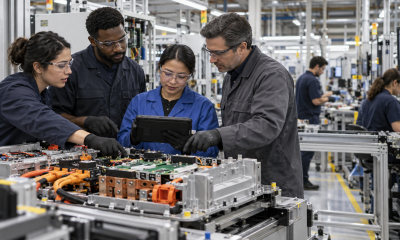
Houston Power Electronics Campus Signals Demand for a Blended Manufacturing Workforce
The planned 400-plus jobs will span an increasingly connected environment of electronics production, automation, research, logistics, and workforce training.
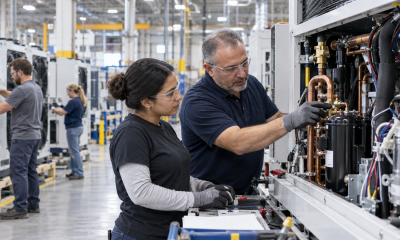
Modine’s 300-Job Wisconsin Hiring Push Offers a Recruitment Playbook
The manufacturer is combining competitive pay, accessible entry-level roles, on-the-job training, and direct outreach to staff growing data-center cooling production.
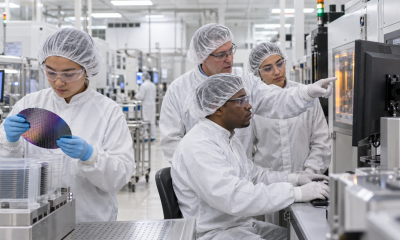
U.S. Chip Hiring Pressure Puts Skills-Based Training in Focus
New workforce research shows that expanding semiconductor production will require hands-on training closely aligned with the jobs inside modern fabs.
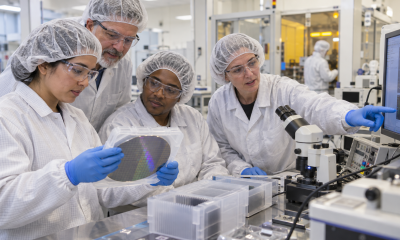
National Semiconductor Network Brings Employers Closer to the Training Table
A new industry advisory committee will help align U.S. microelectronics education with changing skills, equipment and hiring needs.
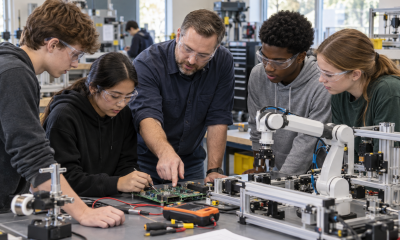
Intel and PLTW Bring Semiconductor Skills Into High School Classrooms
A three-year education initiative will give more students early exposure to the technologies and career pathways shaping U.S. electronics manufacturing.

Forge Nano Battery Expansion Signals Demand for Blended Manufacturing Skills
Forge Nano broke ground August 19 on a major expansion of its lithium-ion battery manufacturing facility in Morrisville, North Carolina.
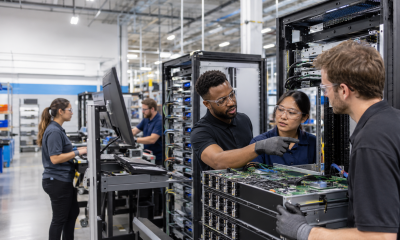
Lenovo’s North Carolina Server Expansion Moves Into Its Next Hiring Phase
With more than 400 positions filled and hundreds more expected, the Whitsett expansion shows how AI infrastructure demand is creating new electronics manufacturing opportunities.

What is Ultra-HDI, and Why Does It Matter for PCB Design Engineers
By Tara Dunn, SMTA Director of Training and Education
Have a Report to Share?
If your organization has published research relevant to electronics manufacturing workforce development, we welcome collaboration.
EMAC prioritizes research that supports long-term workforce stability, measurable industry outcomes, and regional partnership models.