Arizona’s short, hands-on semiconductor programs show how employers can turn training partnerships into practical hiring channels.
Community colleges are taking on a larger role in semiconductor recruiting as manufacturers prepare to staff new and expanding U.S. facilities. In Arizona, Rio Salado College has opened a free, 12-week program that introduces participants to chip manufacturing and provides a route to interviews with major employers, according to recent reporting from The Associated Press.
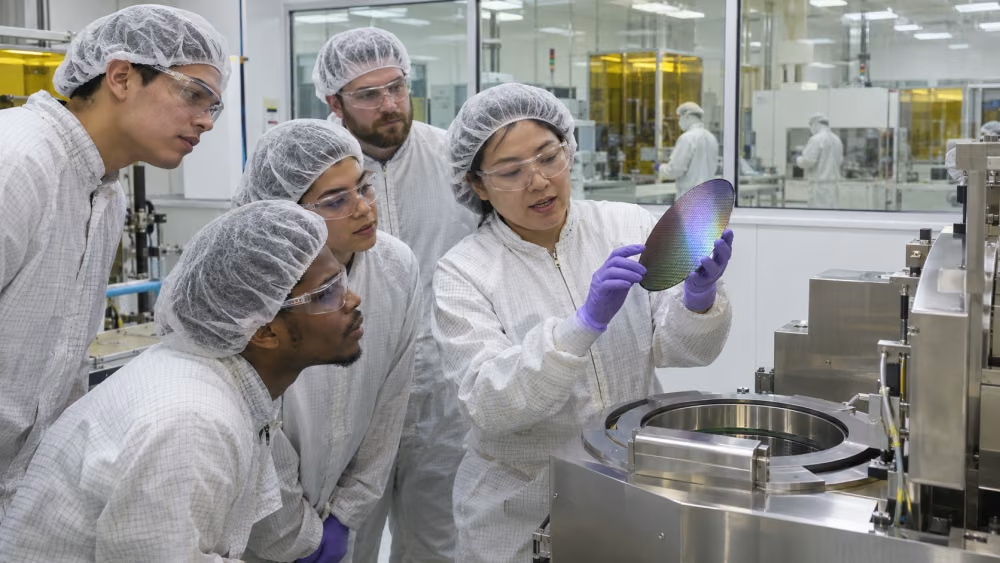
The program combines virtual instruction with approximately 20 hours of practical experience in Arizona State University cleanroom labs. Rio Salado reports that about 75% of people completing its semiconductor training have secured industry-related jobs, suggesting that short programs can become credible entry points for candidates without previous chipmaking experience.
The approach is part of a broader regional system. Maricopa Community Colleges also offers a 10-day Semiconductor Technician Quick Start program with hands-on instruction in mock cleanrooms. Participants can earn an industry-aligned credential and apply the coursework toward further education in automated industrial technology.
Employers are helping connect these programs to actual job requirements. TSMC Arizona, for example, operates technician apprenticeships that combine paid work with related instruction through Rio Salado, Estrella Mountain Community College and other education partners. The pathways prepare workers for process, equipment and facilities roles while allowing employers to assess candidates in a structured setting.
For manufacturers, these partnerships offer more than a larger applicant pool. They give prospective employees early exposure to cleanroom procedures, precision, safety and the disciplined work practices that advanced electronics production requires. Employers can also help educators keep instruction aligned with changing equipment and production needs.
Short-term training alone will not resolve the industry’s workforce challenge. The AP reported that the U.S. semiconductor sector could face a shortage of as many as 157,000 workers by 2030, citing the SEMI Foundation. But programs that connect recruitment, hands-on learning and paid work experience provide a practical model: define the skills, let candidates experience the work and create a clear next step into employment.
Source note
The post is based primarily on The Associated Press’s November 5 report(Opens in a new tab/window), with program details verified through Maricopa Community Colleges(Opens in a new tab/window), TSMC Arizona(Opens in a new tab/window) and the National Science Foundation(Opens in a new tab/window).